
Loading...
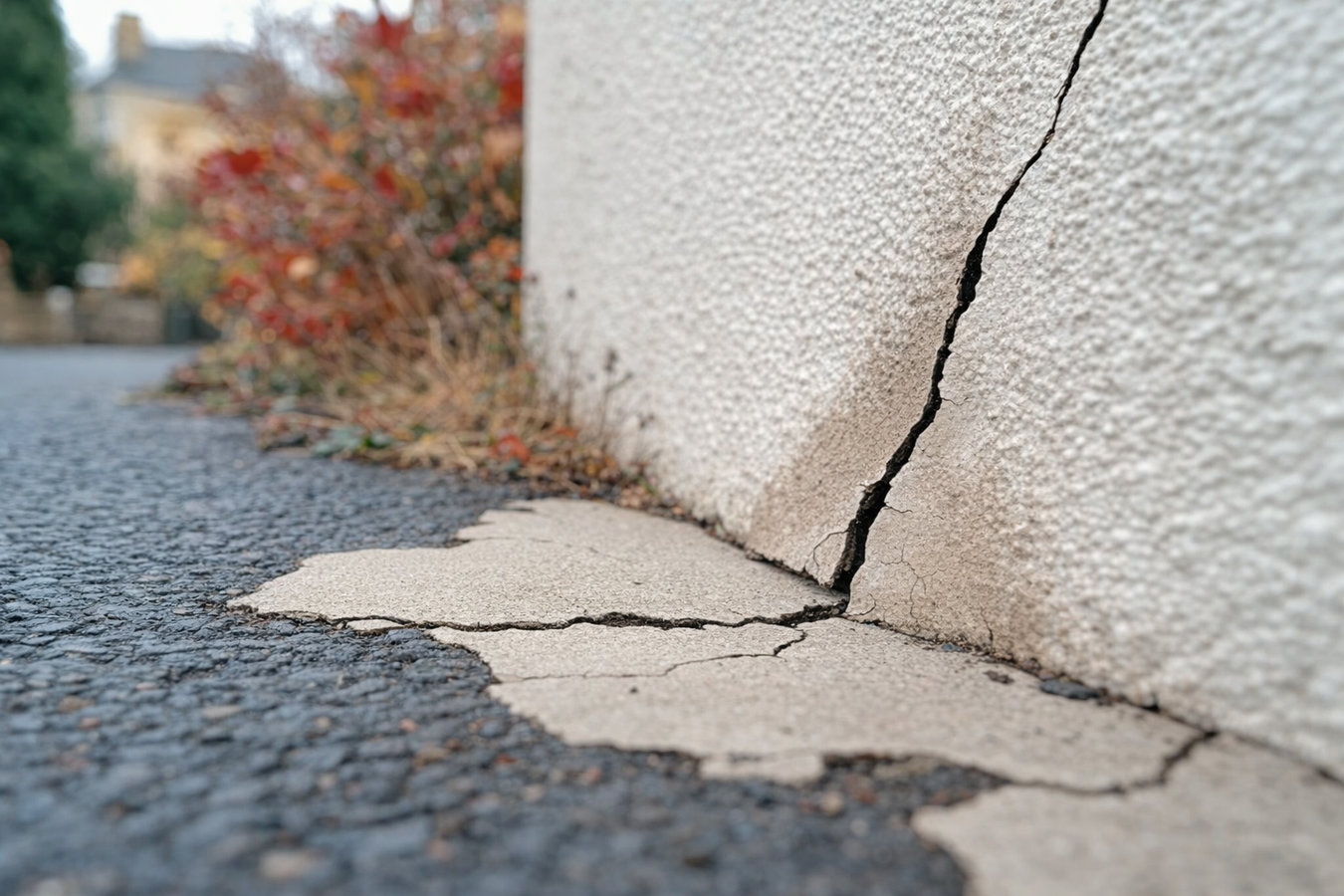
Sticking doors, cracked drywall, or sloping floors? A properly raised and stabilized foundation gives your Abilene home solid footing that holds through years of West Texas soil movement.
Foundation raising in Abilene pushes a sunken or tilted slab back toward its original position using steel piers driven to stable soil beneath the clay layer - most residential jobs are complete in one to three days on-site, with a city inspection and a follow-up visit scheduled before the crew leaves.
Most homeowners in Abilene notice the symptoms first: a door that used to close perfectly now drags on the floor, or a crack keeps reappearing in the same spot after every paint-over. Those are signs the foundation has shifted, not just the house settling naturally over decades. The clay soil throughout Taylor County swells when it rains and shrinks during dry spells, and that constant movement gradually pulls support out from under the slab.
If your home is on an older slab and you are also planning structural work nearby, it may be worth looking at foundation installation options at the same time to address any sections that need full replacement rather than lifting.
If interior doors that used to swing freely now drag on the floor or refuse to latch, the door frames may be racking out of square because the foundation has moved. This is one of the most reliable early signs that something is happening underneath your home, and it tends to worsen if left alone.
Diagonal cracks in drywall running at roughly a 45-degree angle from the corners of door frames or window openings are a classic sign of foundation movement, not normal settling. In Abilene, these cracks often appear or widen after a long dry summer when the clay soil has shrunk beneath the slab.
If you notice that a marble rolls consistently toward one side of a room, or if you can feel a slope when walking across tile or hardwood, the slab may have dropped on one side. This is especially worth attention in Abilene homes that have had any history of plumbing issues under the slab.
Stair-step cracks running along the mortar joints of exterior brick, following the zigzag pattern of the brickwork, are a strong visual signal of foundation movement. In Abilene's climate, these cracks often appear after a dry summer and may partially close after fall rains, which itself confirms the soil is moving seasonally.
We perform residential foundation raises using steel pier systems designed for the depth required to reach stable soil in West Texas. The most common approach for Abilene homes is steel push piers, which are driven down past the expansive clay layer to bedrock or load-bearing soil and then connected to a bracket system that supports the foundation long-term. For lighter slabs - patios, garage floors, and walkways - mudjacking (pumping a cement-based slurry under the slab to fill voids and lift it) is a faster and less expensive option. If you are unsure which approach is right for your situation, the on-site assessment will make that clear before any work begins.
Every job we complete includes written documentation of pier locations and scope, a transferable warranty, and permit handling through the City of Abilene. We also coordinate with concrete cutting when under-slab plumbing needs to be accessed and repaired before the lift can proceed - because lifting a foundation over an active leak just means it sinks again.
Suits most Abilene homes where the clay layer requires deep piers to reach stable load-bearing soil.
Best for lighter slabs like garage floors, patios, and walkways with voids beneath them.
For homes where the interior slab has dropped separately from the perimeter - a common condition in older Abilene homes.
Soaker hose systems and grading work to keep soil moisture consistent after the lift.
Works alongside licensed plumbers to identify and address under-slab leaks before raising begins.
The soils across most of Abilene and Taylor County are classified as highly expansive clays, the kind that swell noticeably after rain and shrink and crack during dry spells. This is the single biggest reason foundations shift here, and it means that even well-repaired foundations need ongoing moisture management to stay stable long-term. According to Texas A&M AgriLife Extension, managing soil moisture around the foundation perimeter, particularly during extended dry periods, is one of the most effective things an Abilene homeowner can do to slow ongoing settlement. A large share of homes in Abilene's established neighborhoods - Elmwood, North Abilene, and the Lytle area - were built during the postwar boom on foundations not engineered with this soil movement in mind.
Homeowners near San Angelo and throughout the Midland area face similar conditions, as the same belt of shrink-swell clay runs across much of West Texas. The Texas Department of Insurance notes that foundation claims are among the most common homeowner insurance issues in this part of the state, and having documented repair work on record can make the difference when a claim is filed or when a buyer's inspector asks questions.
Reach out by phone or form and describe what you are seeing. We respond within 1 business day and will schedule a free on-site assessment at a time that works for you.
We walk through your home and around the exterior, check door and window operation, and take floor elevation readings. You get a written proposal covering pier count, depth, and scope before any money changes hands.
We pull the required City of Abilene building permit on your behalf and get a start date on the calendar. Permit handling protects your repair record for future resale and ensures the work gets an independent city inspection.
The crew drives piers to stable soil and uses hydraulic jacks to carefully raise the foundation over one to three days. After cleanup and city inspection sign-off, we schedule a 30-to-90-day follow-up visit to confirm everything has held.
No pressure, no verbal estimates. We come to your home, take elevation readings, and give you a written quote you can compare. We respond within 1 business day.
(325) 283-1250The shrink-swell clay across Taylor County is classified as highly expansive, and it is the primary driver of foundation movement here. We size every job for the depth needed to reach truly stable soil in this part of West Texas.
Every foundation raise we complete comes with a written, transferable warranty that stays with the house if you sell. That documentation protects your home's value and gives future buyers' inspectors a clear record to review.
In older Abilene homes, a slow under-slab leak is often what caused the foundation to shift in the first place. We identify any plumbing concerns before committing to a scope of work, so you are not paying to fix the same problem twice.
We respond to every inquiry within 1 business day and provide free on-site estimates with a written quote. No pressure, no verbal numbers that change once the crew arrives.
The Foundation Repair Association recommends homeowners ask for written documentation and a transferable warranty before signing any foundation repair contract. We provide both on every job we complete in Abilene and the surrounding area, because the paperwork matters as much as the piers.
Precision slab cuts for plumbing access, driveway reshaping, or control joint work - clean edges with no damage to surrounding concrete.
Learn moreNew concrete foundation pours for additions, outbuildings, or replacement slabs engineered for Abilene's soil conditions.
Learn moreThe longer a sinking foundation goes unaddressed, the more damage accumulates to doors, floors, and brick. Call or submit a request now and we will respond within 1 business day.